
02
Feb
2026
Why BIM Coordination Matters More Than Ever for Successful Construction Projects
BY Jason Matthews | 4 mins read
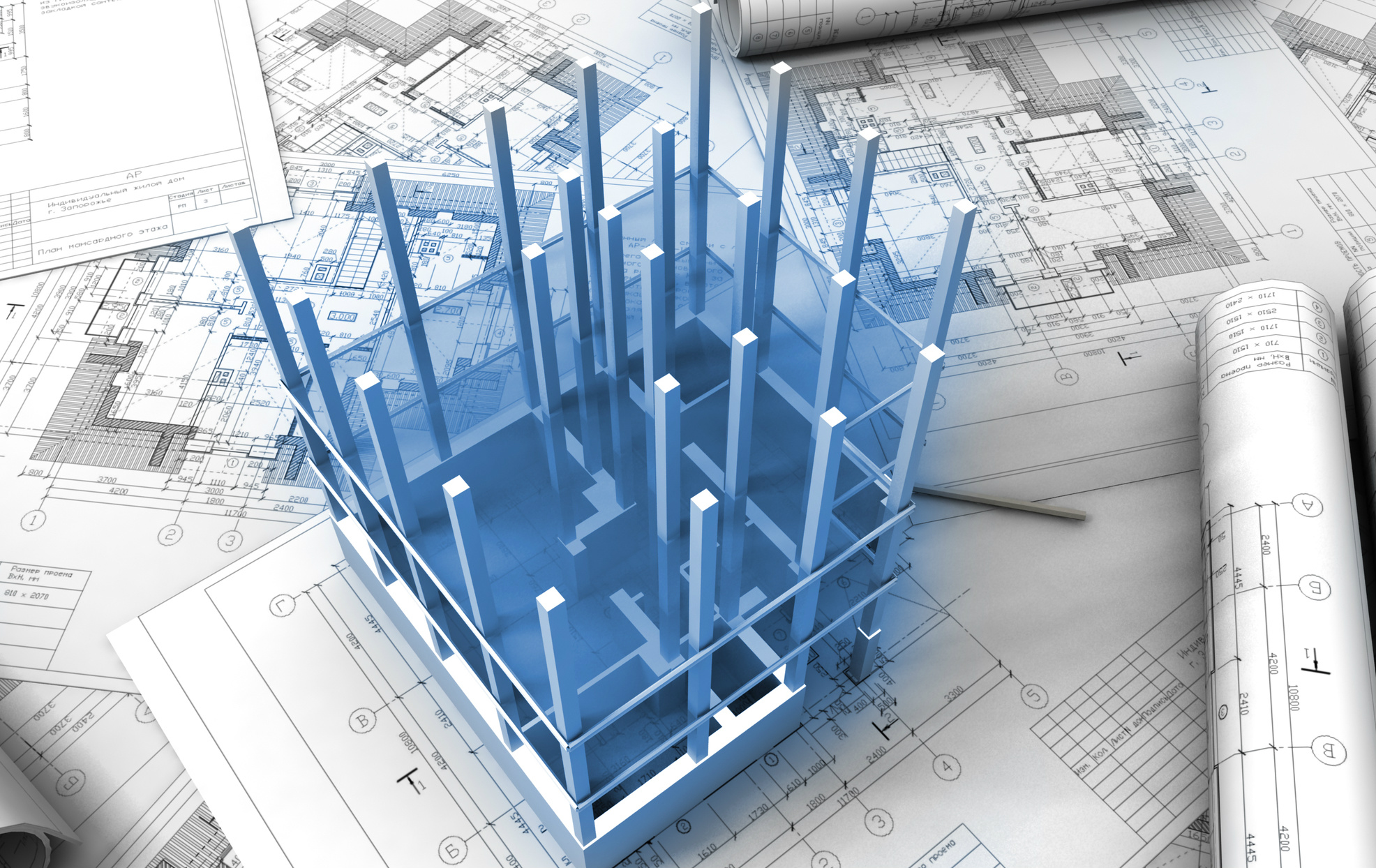
Construction projects today are more complex, more compressed, and more interconnected than ever before. With tighter schedules, thinner margins, and higher expectations for accuracy, there is far less room for error across design and construction teams.
That is exactly why BIM coordination matters more than ever for successful construction projects.
Building Information Modeling is no longer just a design tool. When used correctly, BIM coordination becomes a critical strategy for reducing risk, preventing rework, and keeping projects on schedule from preconstruction through delivery.
The Growing Complexity of Modern Construction
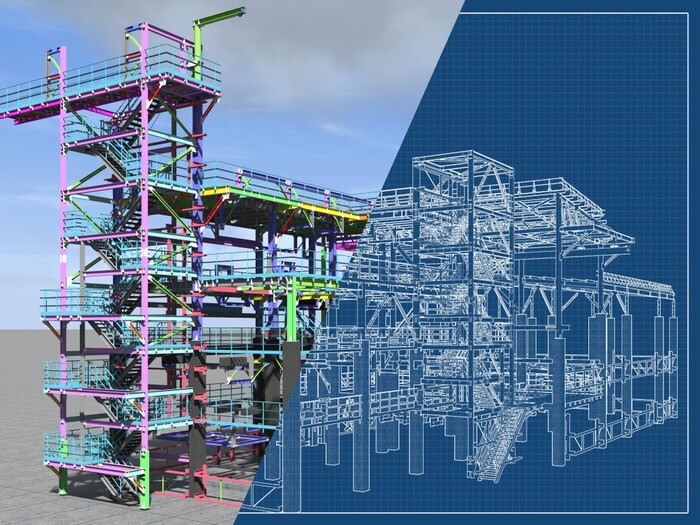
Over the past decade, construction workflows have changed dramatically. Projects now involve more specialized trades, more prefabrication, and more overlapping scopes than in the past. MEPFP systems, structural elements, and architectural designs must all coexist in increasingly tight building envelopes.
Without structured BIM coordination, these systems often clash in ways that are not discovered until construction is already underway. When that happens, teams are forced into reactive decision-making, costly rework, and schedule delays.
As project complexity increases, coordination cannot be handled informally or pushed to the field. It has to be intentional, organized, and led with construction in mind.
What BIM Coordination Really Does for Projects
BIM coordination is often misunderstood as simply running clash detection software. In reality, effective BIM coordination is a process that aligns all project stakeholders around a shared, accurate model before work begins.
Proper BIM coordination helps teams:
- – Identify and resolve clashes between trades early
– Reduce RFIs caused by conflicting drawings
– Minimize field rework and material waste
– Improve communication between GCs and trade partners
– Support more predictable schedules and sequencing
When coordination is handled early and consistently, problems are solved digitally instead of physically. That shift alone can save significant time and cost across the life of a project.
The Cost of Poor BIM Coordination
Projects that lack strong BIM coordination tend to experience the same issues repeatedly. These problems are not random. They are predictable outcomes of disconnected workflows.
Common consequences include unresolved trade clashes, outdated models being used in the field, excessive RFIs, and last-minute redesigns that disrupt construction sequencing. Each issue compounds the next, leading to delays and budget overruns that could have been avoided.
In many cases, the cost of fixing coordination issues in the field far exceeds the cost of addressing them during preconstruction.
Why BIM Coordination Is a Priority in 2026
Several industry pressures are making BIM coordination more critical than ever.
Labor shortages mean fewer crews are available to absorb mistakes. Compressed schedules leave little flexibility for rework. Owners are demanding higher certainty around cost and delivery timelines. At the same time, prefabrication and modular construction require extremely accurate models to succeed.
In this environment, BIM coordination is not slowing projects down. It is what allows projects to move forward with confidence.
General contractors and trade partners are increasingly prioritizing BIM coordination services as a way to reduce risk, protect margins, and improve overall project performance.
How BIM Coordination Supports Better Collaboration
One of the most valuable benefits of BIM coordination is improved collaboration across teams. When all trades are working from coordinated, up-to-date models, communication becomes clearer and decision-making becomes faster.
Coordination meetings are more productive because issues are clearly defined and tracked. Accountability is improved because clashes and conflicts are documented and assigned. Teams spend less time debating problems and more time resolving them.
This level of alignment is difficult to achieve without a dedicated coordination process and a team focused on managing it.
How BIMWERX Approaches BIM Coordination
BIMWERX provides construction-focused BIM coordination services designed to support real-world project constraints. Our approach goes beyond basic clash detection to deliver structured, actionable coordination that helps teams build with confidence.
BIMWERX works closely with general contractors and trade partners to:
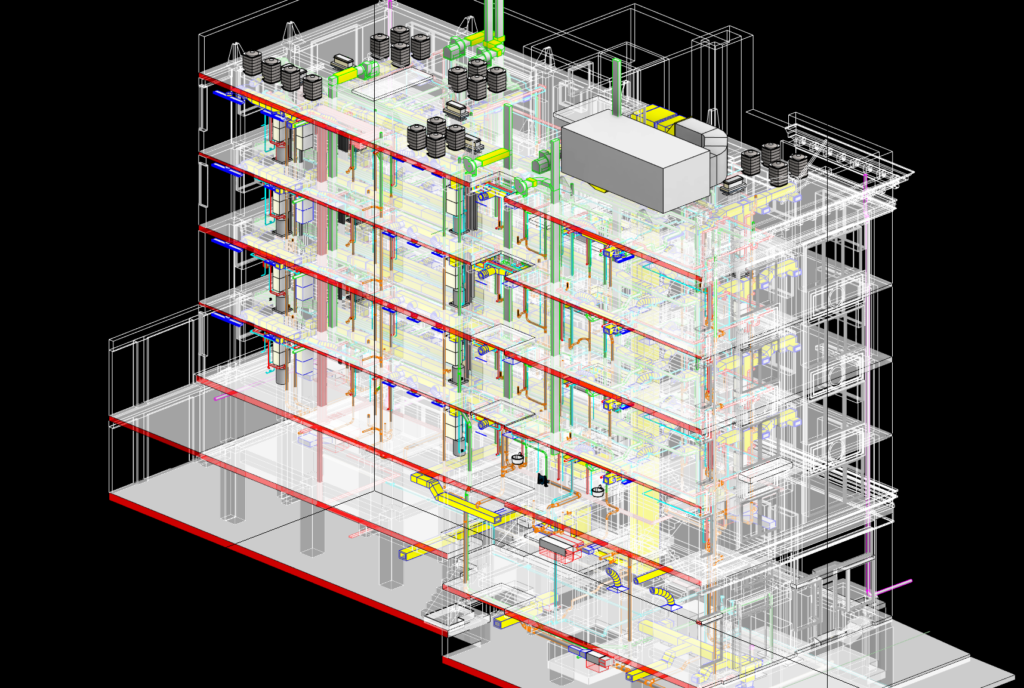
- – Coordinate MEPFP and structural systems
– Identify and resolve clashes before construction begins
– Support clear and efficient coordination meetings
– Maintain accurate, up-to-date coordination models
– Track issues through resolution
Our goal is to reduce uncertainty and prevent problems from reaching the field. By addressing coordination challenges early, we help projects stay on schedule and avoid unnecessary rework.
BIM Coordination as a Risk Management Strategy
At its core, BIM coordination is a form of risk management. Every unresolved clash, unclear detail, or misaligned system represents potential risk to cost, schedule, and quality.
Projects that invest in strong coordination upfront are better equipped to manage that risk. They experience fewer surprises, smoother construction phases, and better outcomes for all stakeholders involved.
As construction continues to evolve, the projects that succeed will be the ones that treat BIM coordination as a core part of their delivery strategy rather than an afterthought.
Final Thoughts
BIM coordination matters more than ever because construction demands more precision than ever. With increasing complexity and decreasing tolerance for error, coordinated models and structured workflows are essential for successful project delivery.
Teams that prioritize BIM coordination early set themselves up for fewer delays, fewer RFIs, and better collaboration across trades.
For contractors and trade partners looking to reduce risk and improve performance, investing in experienced BIM coordination is no longer optional. It is a competitive advantage.
Latest News
The Million-Dollar Construction Clash That BIM Coordination Could Have Prevented
March 4, 2026
Costly Holiday Construction Delays and Proven BIM Coordination Strategies
December 15, 2025
Stop the Rework Before It Starts: Why Contractors Trust BIM Coordination Services in 2025
October 13, 2025